SAKE for 2126 | Sustainable Sake
SAKE for 2126 | Sustainable Sake
In 2026, AI is reshaping the global economy, while troubling news about climate change seems never-ending.
In the midst of this great turning point, Japan’s sake breweries, too, are facing growing challenges, including rice shortages, labor shortages, and changes in both the environment and the market.
If things continue as they are, 100 years from now sake may have become an indulgence that only a privileged few can enjoy.
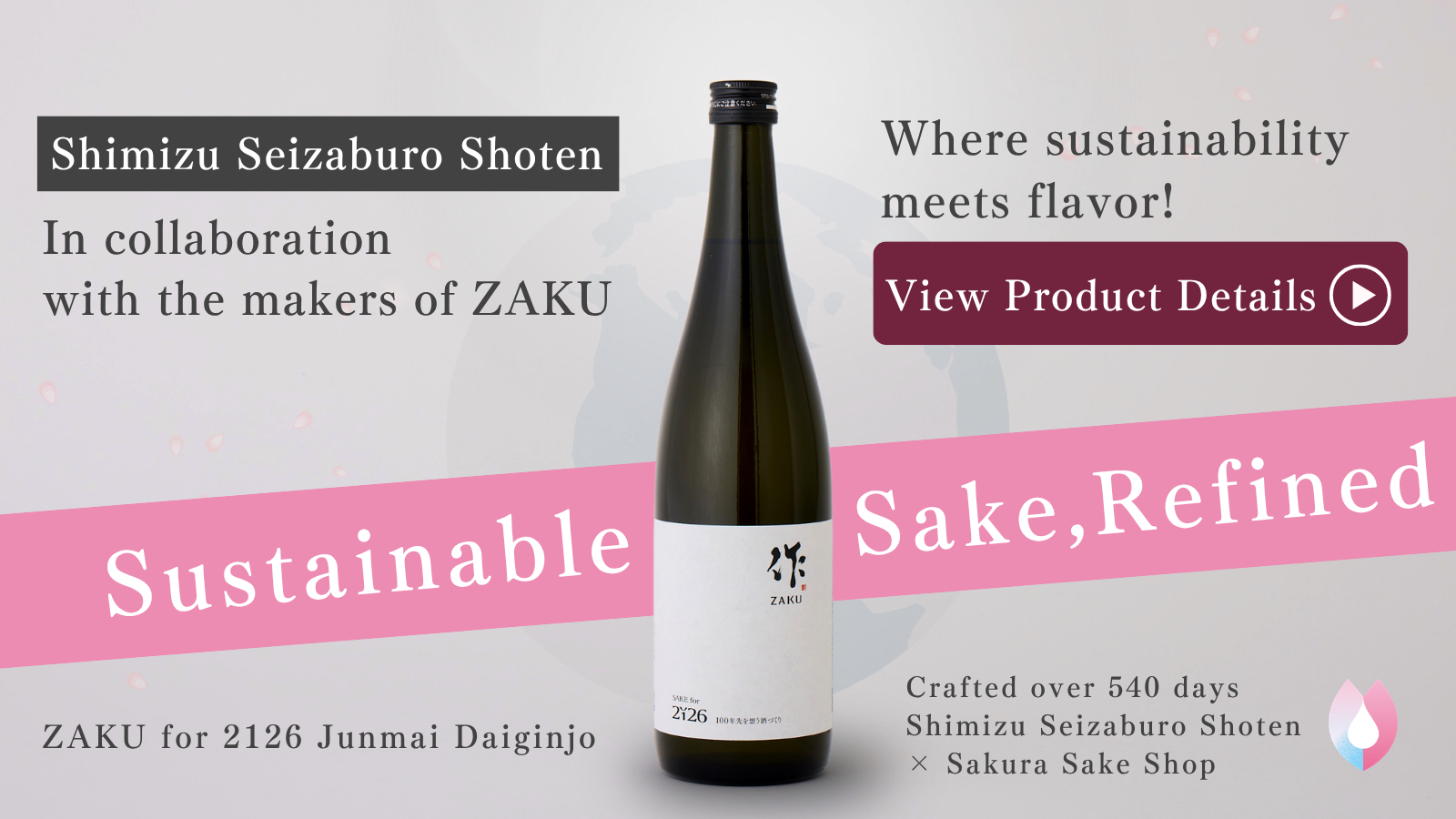
To preserve the sake we love for the world 100 years from now, we — as a sake shop — are taking serious action on what we can do today. It is with this wish that we launched “SAKE for 2126,” a project aiming for sustainable sake brewing that makes absolutely no compromise on flavor.
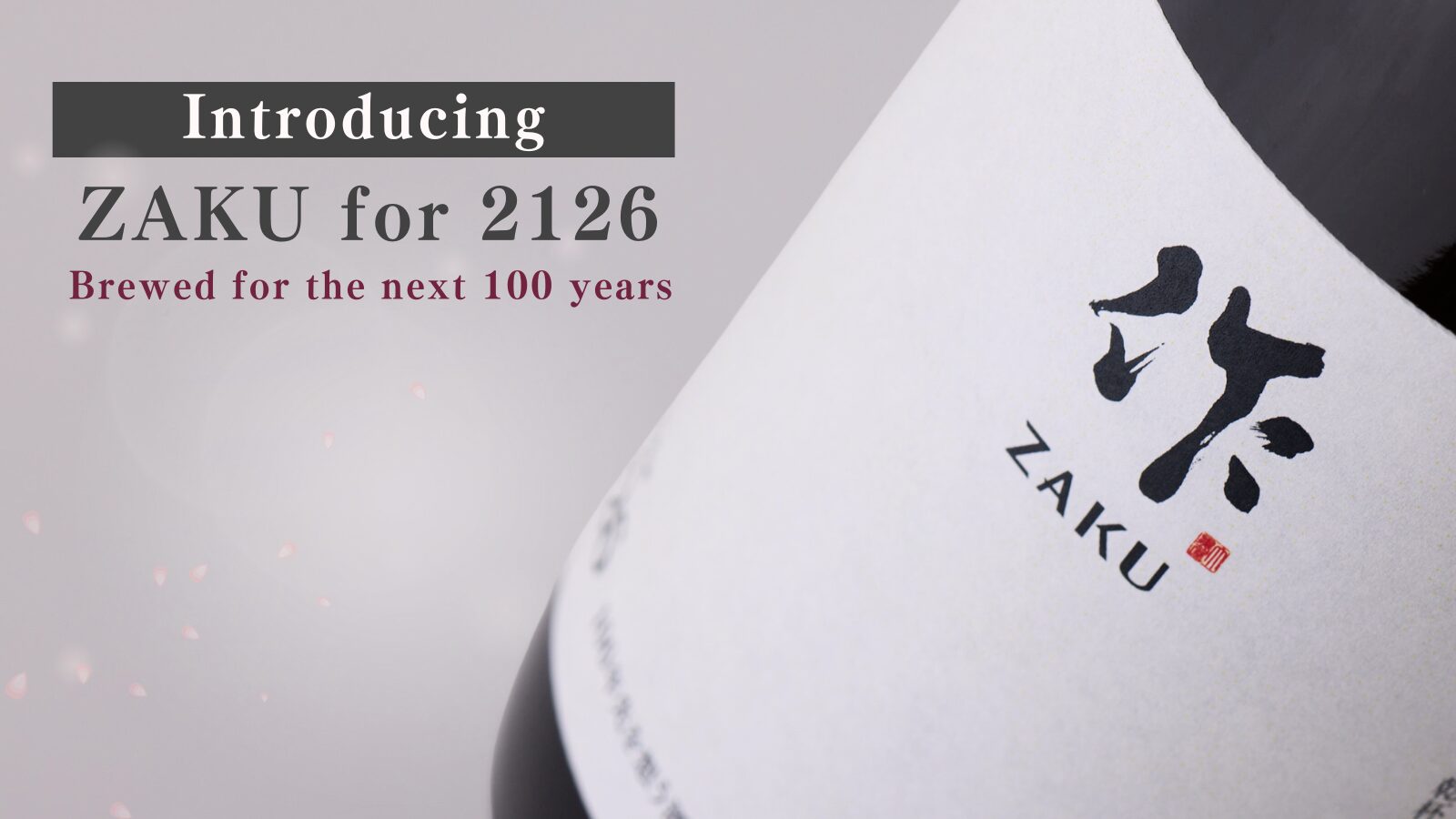
The very first product to come out of it is the sustainable sake we present here: Zaku for 2126 Junmai Daiginjo.
We invite you to pick up a bottle and taste its essence for yourself.
Why Sustainable Sake Has to Be Made Now
Globally, the market for sustainable alcoholic beverages is growing year by year. In the wine industry especially, more and more wineries are taking on environmentally conscious production.
The sake industry, by contrast, is still very much at an early stage. Precisely because we have run a sake export business for more than 10 years, we have long held a wish: to move the world with sustainable sake.
The brewery that shared this wish and answered our call was Shimizu Seizaburo Shoten — the maker of “Zaku,” ranked No. 1 in the World Sakagura Ranking 2019.
Sustainable — Yet a Flavor to Be Proud of Anywhere in the World
“We want to make a sake that is sustainable and kind to the global environment, and that, at the very same time, makes even the world’s gourmets take notice.”
It took a year and a half, starting from that vision, to finally develop Zaku for 2126 Junmai Daiginjo.
With the cooperation of Shimizu Seizaburo Shoten — brewer of “Zaku,” which holds numerous awards at competitions in Japan and abroad — we succeeded in cutting CO₂ emissions in the production process by roughly 30% compared with the conventional method, without compromising in the slightest on flavor or sake quality.
– Kind to the body: a light, easy-drinking experience that suits the modern table.
– Kind to the planet: lowering the burden on the environment, toward sustainable sake brewing.
– No compromise on taste: we never let sake quality slip in the name of sustainability.
The Four Features of Zaku for 2126 Junmai Daiginjo
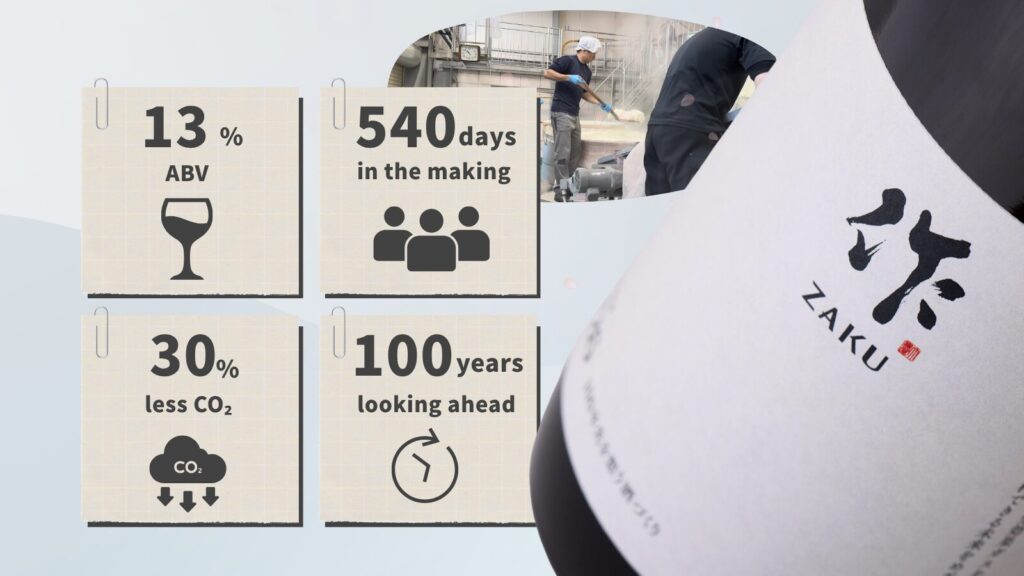
Here are the four features of Zaku for 2126 Junmai Daiginjo, born out of repeated discussions with Shimizu Seizaburo Shoten.
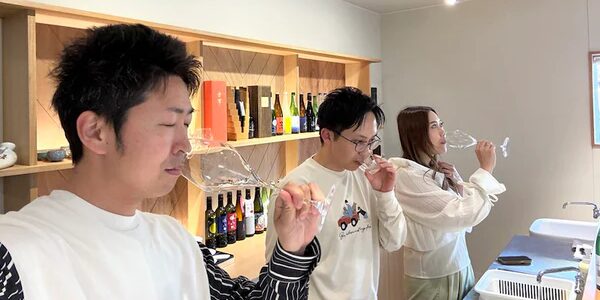
An Alcohol Content of 13%
This “Zaku” is designed with an alcohol content of 13%, even though it is a Junmai Daiginjo.
Even at a lower alcohol level, it delivers the vibrant, floral aroma so characteristic of “Zaku,” along with a light character you never tire of — a new standard that makes no compromise on flavor.
A 30% Cut in CO₂ Emissions
Under the supervision of Zevero (*), a third-party carbon-measurement specialist, greenhouse gas emissions throughout the entire production process were measured in CO₂-equivalent terms.
By rethinking two things long taken for granted — how the rice is grown and the bottles themselves — we achieved a reduction of roughly 30% in CO₂ across the product as a whole.

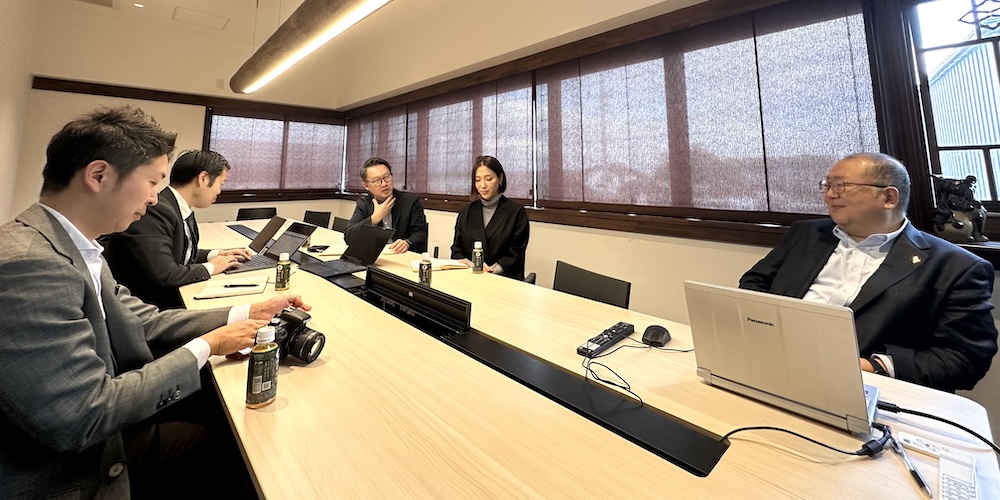
540 Days of Development
The project began in November 2024. From there, it took about 18 months to bring the product to release. It is the fruit of the dedication of everyone who shared our wish — first and foremost President Shimizu of Shimizu Seizaburo Shoten.
For 100 Years From Now
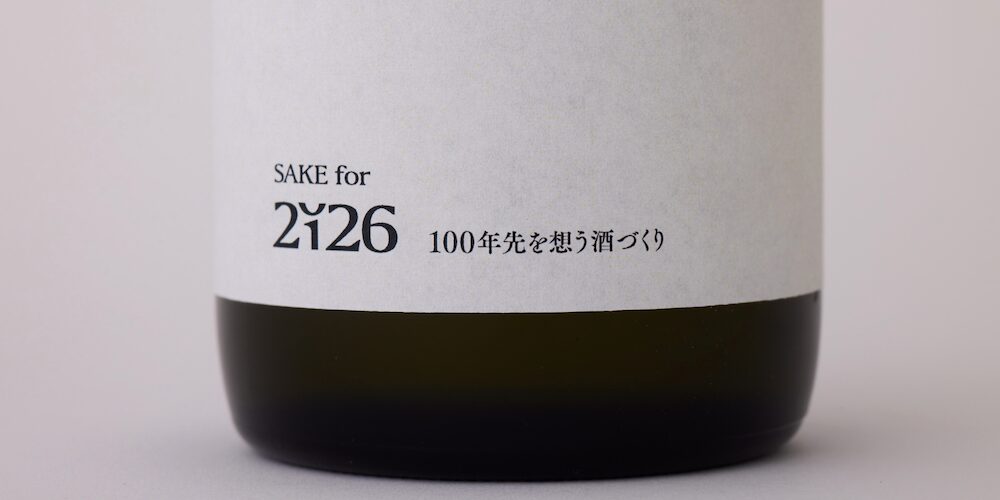
This product is engraved not with its year of production, but with a year in the future: “2126.” We made it in the hope that choosing this sake will help build a future in which, a century from now, we can still raise a toast with sake.
note:Zevero is a company that, as a “next-generation sustainability partner,” combines AI technology with sustainability expertise to measure the carbon dioxide (CO₂) emissions of products and support their reduction.
Zaku for 2126 Junmai Daiginjo, Seen Through the Data
For Zaku for 2126 Junmai Daiginjo, we commissioned Zevero, a third-party carbon-measurement specialist, to measure the greenhouse gases across the entire brewing process — from the cultivation of the rice through to brewing and materials — converted into CO₂ terms (that is, the carbon footprint).


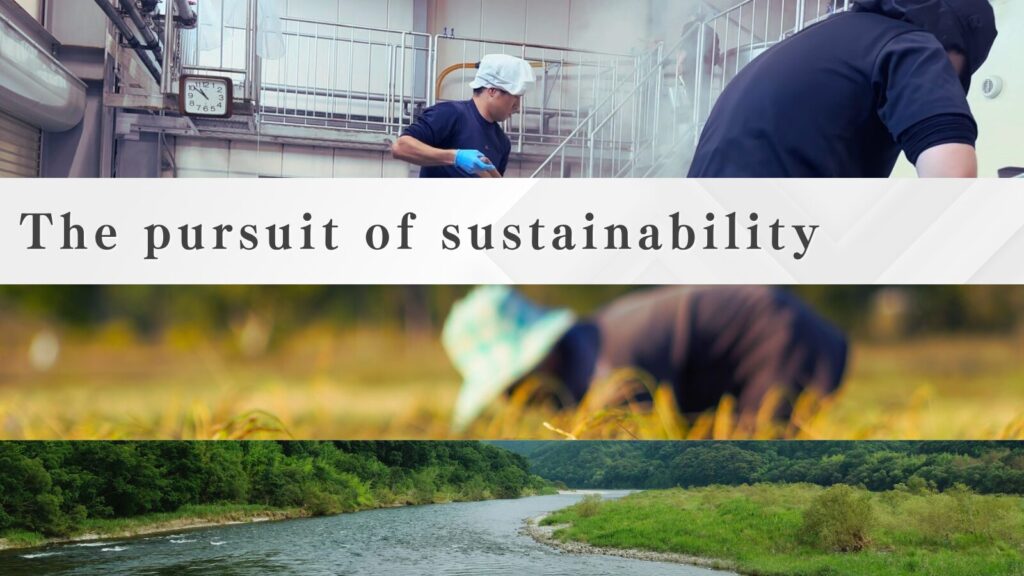
The measurements revealed that the main sources of greenhouse gases were the rice and the bottle. So, working together with local contract farmers, we carried out “mid-season drainage” (naka-boshi) of the paddies for more than two weeks, greatly suppressing the methane released from the soil — a greenhouse gas with more than 25 times the warming potential of CO₂
In addition, by introducing reusable bottles and non-VOC ink, and by doing away with the gift box and paper packaging, we succeeded in reducing CO₂ emissions by roughly 30% overall.
What We Can Do Today, for a Toast 100 Years From Now
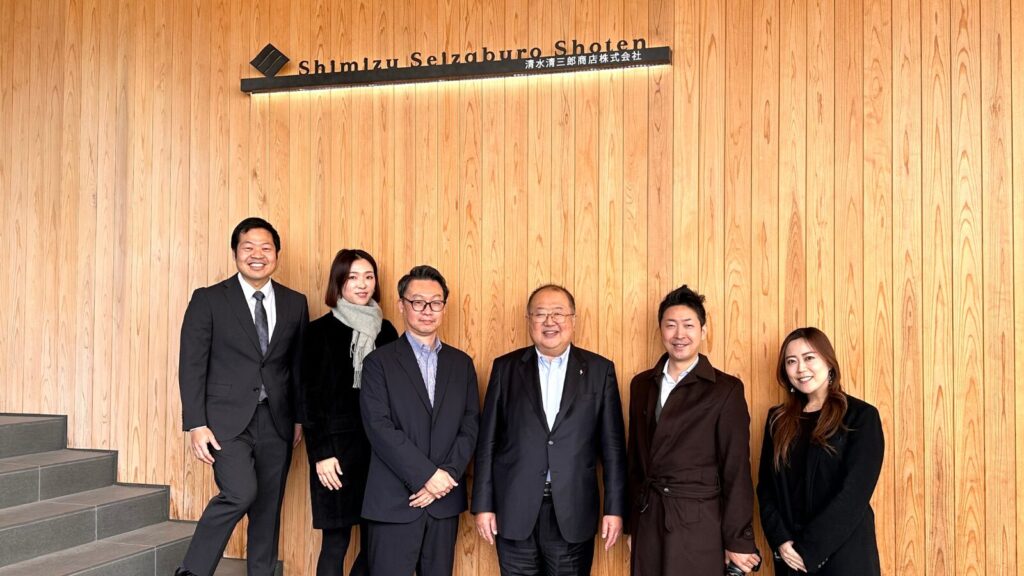
Zaku for 2126 Junmai Daiginjo is the first product of “SAKE for 2126,” a project that reaches toward the future of sake. It was brought into being with the understanding and cooperation of a great many people, beginning with the brewery and the farmers.
We believe that this single bottle will be a small, but certain, step toward a future in which — 100 years from now — we can still raise a toast with sake.